
 Provider
Braces for a Straighter Smile & Healthier Bite
Conventional braces are a time-tested method for straightening teeth. Orthodontists have been using them successfully for decades to correct tooth misalignments and improve jaw alignment.
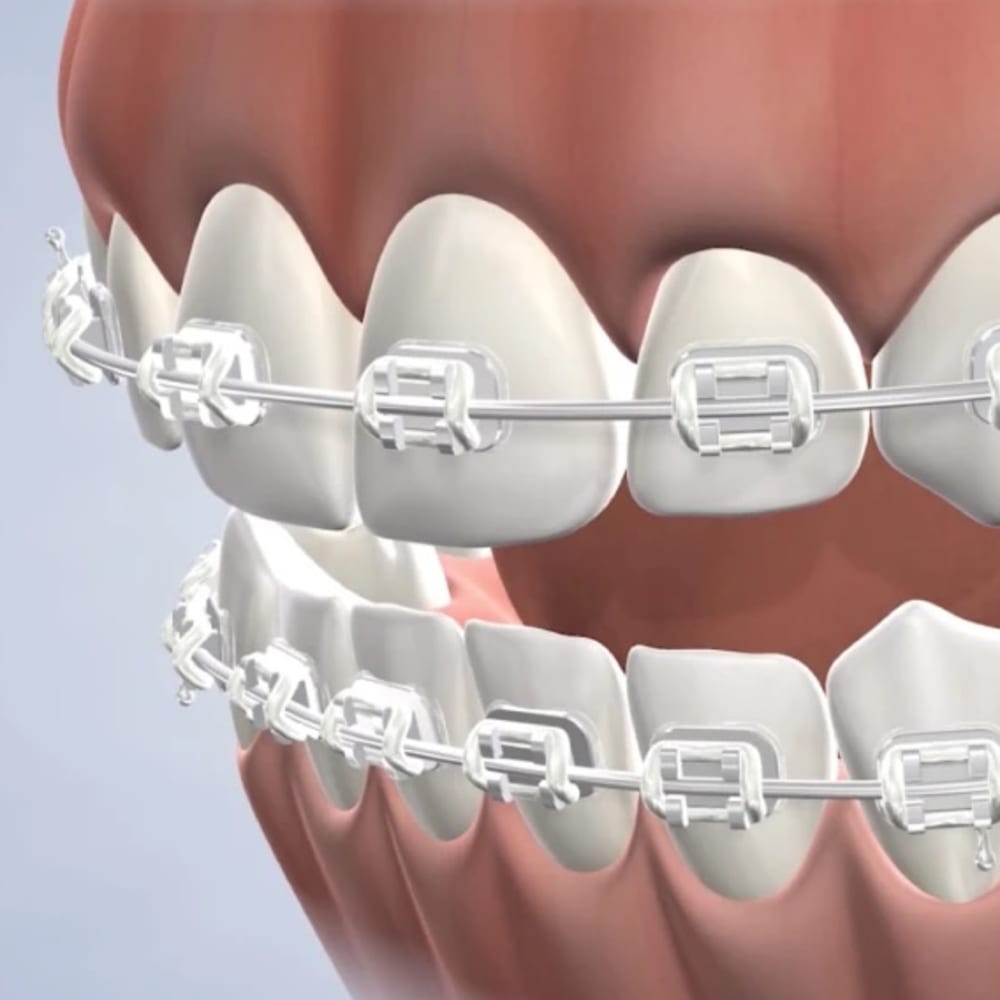
Braces are essentially made up of three basic elements: brackets, a flexible arch wire, and sometimes elastic bands.
The brackets are fixed to the fronts of the teeth and hold the arch wire in place. The arch wire places pressure on the teeth, moving them into the desired positions. Elastic bands are used to apply more force in specific directions.
Braces are a highly versatile orthodontic treatment option. They can be used to correct many different types of orthodontic issues, ranging from moderate to complex, for children, teens, and adults of all ages.
Today's braces also come in a number of streamlined options that provide a cleaner, lower-profile appearance for those concerned about the look of traditional braces.
Flexible Payment Plans to Make You Smile
Investing in a straighter, healthier smile has never been easier. At Nalchajian Orthodontics, we help patients and their families manage the cost of orthodontic treatment with flexible in-house payment plans and convenient financing with CareCredit.
Types of Braces at Nalchajian Orthodontics
Every smile is unique, and every patient has specific treatment requirements and budgetary factors that we consider before recommending a braces style. We offer the following options.
Traditional Metal Braces
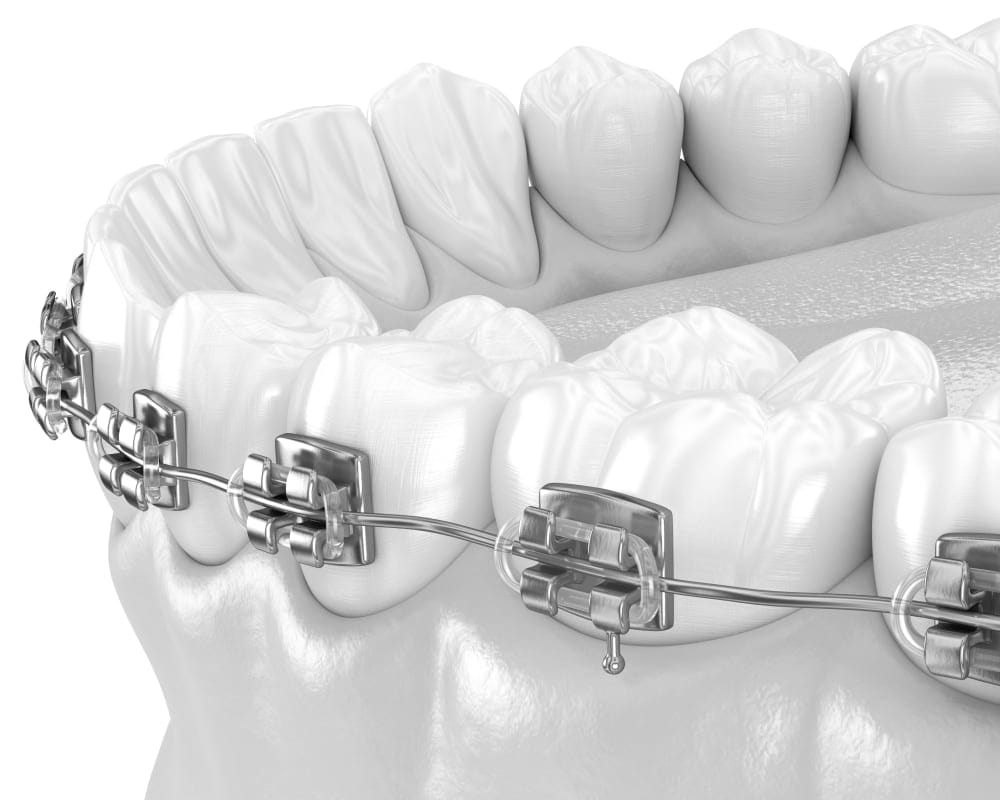
Traditional metal braces are known for their efficacy, durability, and affordability. This type of braces has been in use the longest. With traditional metal braces, metal brackets are affixed to the teeth, with arch wires threaded through them to guide teeth into their prescribed positions. Elastic ties or metal wires hold the arch wire in place.
The wires are usually made of metal alloys, and have been optimized to provide sufficient force to straighten the teeth and also be as comfortable as possible for the patient.
Clear Braces
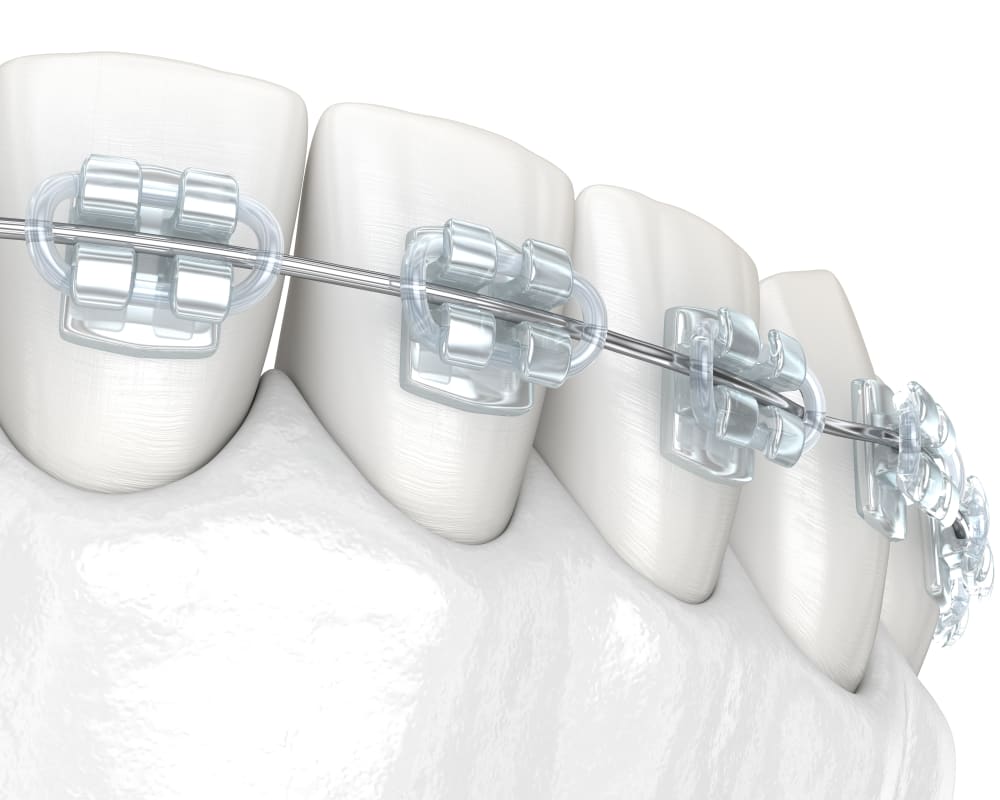
'Clear' is a bit of a misnomer in that these braces are not actually see-through – they just appear so. The brackets are made from a tooth-coloured ceramic that blends in with your teeth, creating the transparent effect and making them less visibly obvious than standard metal braces.
While clear braces are a great option for many, they're not ideal for everyone. Ceramic is not as strong as metal, so there are some orthodontic conditions that are better resolved with traditional metal braces.
Colored Braces
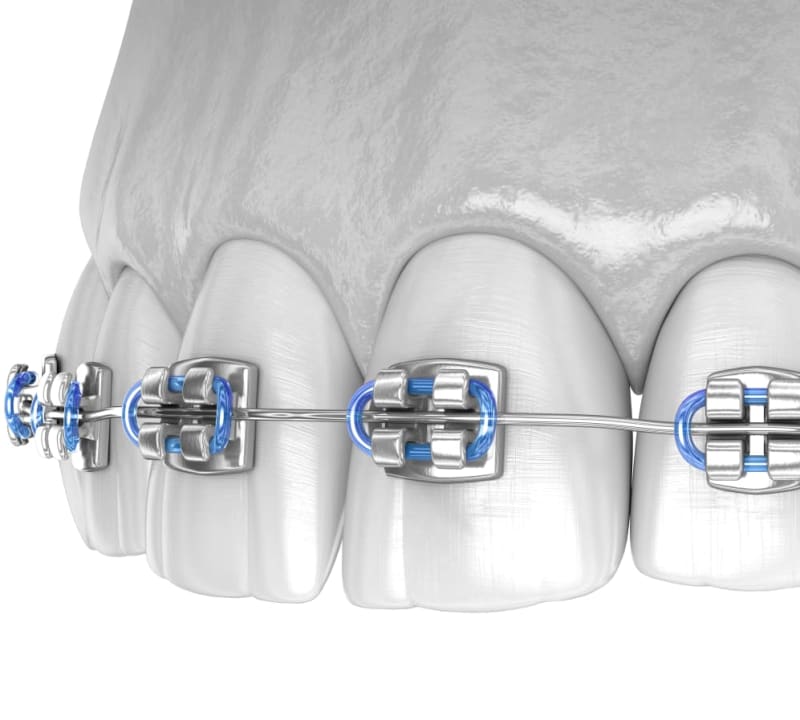
Colored braces are the ultimate in personalized orthodontic style! With coloured braces, the archwire is held firmly in place by tiny modules (elastic bands) that come in a wide variety of colors.
These little elastics are changed every four to six weeks as your braces are adjusted. This means that every few weeks, you can change the color of your braces to match the season, your mood, your favourite sports team or the rainbow!
Living with Braces
Braces take a bit of getting used to at first, but you'll develop new routines around them in no time. Here are some of the elements that will affect your day-to-day life during your braces treatment.
Adjustments
Adjustments are a crucial part of orthodontic treatment with braces. Every four to eight weeks or so, you'll visit our office to have your braces adjusted. This will help keep teeth moving according to your treatment plan.
You may feel some discomfort in the hours or days after your adjustment appointments as your mouth adjusts. This discomfort is temporary and best managed with over-the-counter painkillers.
Elastics
Elastics, also called rubber bands, are used with braces to apply additional force to certain areas of your mouth to guide tooth movement. They are a key part of many treatment plans.
Elastics do not maintain their strength for long, though, and need to be changed out at least twice a day. Many of our patients find that making it a habit to change their elastics after each meal makes it easier to remember.
Always follow your orthodontist's instructions regarding your elastics. Contact our office if you find that your elastics break frequently or if the hook for your elastics breaks off.
Hygiene
Good oral hygiene is vital when you have braces. Brackets and wires create all sorts of small spaces and crevices where plaque can accumulate, leading to tooth discolouration, tooth decay, and gum disease.
To keep your teeth and gums healthy during your braces treatment, be sure to brush after each meal using a soft toothbrush and fluoride toothpaste. A Proxabrush® is a specially shaped toothbrush designed to clean out the spaces between braces. You can also use a Waterpik™ or air flosser to help flush out stubborn food particles.
You should also floss frequently. This is easier than you might expect. You can just feed the floss down through the space between the arch wire and your teeth. Pull the end gently towards the back of the tooth and draw the floss up and down between the teeth.
Eating
Undergoing orthodontic treatment with braces, unfortunately, requires some limitations when it comes to what you eat.
Foods that you'll need to avoid include chewy or sticky foods (like caramel or liquorice), hard or crunchy foods (hard candies, nuts, or whole raw vegetables), and foods you have to bite into (like corn on the cob or apples). You'll also need to avoid sugary drinks.
Cutting food into small pieces and chewing slowly and carefully will allow you to enjoy more variety during your treatment, but always defer to your orthodontist's recommendations.
Mouth Guards
If you're an athlete, there's no reason for braces to stop you from playing the sports you love. But if you want to continue getting out on the field, court, or rink during your treatment, we recommend wearing a sports mouth guard to protect your teeth, your mouth, and the braces themselves from damage.
Retainers
After your active orthodontic treatment with braces (or Invisalign) is complete, you'll need to wear a retainer to keep your teeth in their new, straightened positions while the jaw bone around their roots reforms and hardens.
You'll probably start out wearing your retainer 24 hours a day, every day, during the first 12 weeks or so after braces - only taking it out for eating and brushing your teeth, as instructed by your orthodontist.
Once your teeth have settled into their new positions, with approval from your orthodontist, you may begin wearing it at night only.
Questions About Braces? We've Got Answers.
If you're considering orthodontic treatment with braces, you likely have some questions. Get started by reading our braces FAQs to learn more about how they work, and their benefits.
-
How much do orthodontic braces cost?
The cost of orthodontic treatment can vary considerably based on the nature and severity of the misalignment being treated and the type of braces being used. Your orthodontist will provide you with an estimate for the cost of your treatment at the outset.
If you already have an estimate from your orthodontist, you can use our cost calculator to determine your approximate monthly payments.
-
Who is a candidate for braces?
Most children, teens and adults who have healthy teeth and gums are generally considered good candidates for braces. That said, certain people with significant recession or oral health conditions may not be candidates.
Braces come in a variety of styles and can address a wide range of moderate to complex orthodontic issues, so there are very few limits to who can benefit from braces.
-
What are my options for low-profile braces?
We offer translucent braces at Nalchajian Orthodontics.
Translucent braces have ceramic brackets that match the color of your teeth, allowing them to blend in with your smile. You can learn more about these types of braces on this page under 'Types of Braces'.
Invisalign clear aligners are also an option for low-profile orthodontic treatment.
-
How long will I need to wear braces?
The average treatment time for braces is 18 to 24 months, but this can vary significantly from patient to patient. The duration of your orthodontic treatment depends primarily on the type and severity of your misalignment. As you might expect, mild or moderate cases are quicker to treat than more complex ones.
-
How long until I get used to my braces?
You'll probably need a week or two to become fully accustomed to your braces after you first get them. You may find it hard to resist poking them with your tongue as you get used to how the wires and brackets feel.
You may also notice that certain areas of your mouth rub against the braces and get sore. Orthodontic wax can be placed on the braces in these areas to help create a smoother surface with less friction as your mouth adjusts. Again, this discomfort is temporary, and after a couple of weeks, your mouth will likely feel normal again.
-
Can I change the color of my braces?
If you have metal braces with rubber bands, you can update the color of the bands when you come in for an adjustment appointment. Orthodontic elastics can come in a rainbow of different colors for you to choose from. Having the option to personalize your braces in this way can make the orthodontic treatment process a little more fun!
We also often use e-chain to close the spaces between teeth, and these come in lots of colours as well.
You can change your braces color based on the season, upcoming holidays, or your personal style.
-
Do braces hurt?
You will almost certainly experience some discomfort at different points of your orthodontic treatment with braces. However, any pain you feel during your braces treatment is temporary, and usually resolves over a few days, or even hours.
Discomfort from braces usually happens for a week or so after you first get them, and also for a few hours or days after your adjustment appointments, as the teeth begin to shift. Patients tend to describe it as a sensation of pressure or an ache. This type of pain is usually easily managed with over-the-counter painkillers until it has passed.
Another type of temporary discomfort you may experience during your braces treatment is when the brackets rub against the inside of your mouth. This can also happen when you first get your braces and directly after adjustment appointments. Orthodontic wax can be applied to the braces in the areas where the rubbing occurs to create a smoother surface against the inside of your mouth. You can also use painkillers to manage this discomfort until it passes.
-
Can adults get braces?
Yes, adults can get braces! More and more adults these days are opting to undergo orthodontic treatment that they missed out on when they were younger, to improve their oral health and the appearance of their smiles.
Many of our adult patients prefer the lower profile, more streamlined look of translucent ceramic braces, self-ligating braces, or Invisalign. All these options allow you to straighten your teeth without the more pronounced appearance of traditional braces.
-
Can kids get braces?
Yes, children as young as seven years old may be candidates for braces in some cases. Certain developing misalignments and bite problems can be more easily treated when children are young, when we can work with and guide their oral development, rather than undoing issues that are already established later on.
With all that being said, we take a very conservative approach to braces for children, and only prescribe them when there's a serious risk of future orthodontic problems.
-
Do I have to brush more with braces?
Yes, it's a good idea to brush your teeth at least after each meal throughout your braces treatment.
Oral hygiene becomes more important than ever while you're wearing braces. The presence of braces in your mouth introduces a multitude of tiny crevices, nooks, and crannies that were not there before. It's very easy for food particles to get caught in these tiny spaces, making them a breeding ground for bacteria.
To avoid developing cavities (not to mention tooth discoloration and bad breath) extra vigilance with your oral hygiene is essential.
-
How do I floss with braces?
Flossing with braces may seem complicated, but it's fairly straightforward once you get the hang of it!
To floss your teeth with braces, feed the floss down through the space between the arch wire and your teeth. We supply floss threaders for our patients to make this easier. Pull the end of the floss gently towards the back of the tooth and draw the floss up and down between the teeth. Then repeat this process between each pair of teeth.
-
What can I eat while I'm wearing braces?
Eating with braces requires some extra care, but you should still be able to eat many of the foods you love.
You'll need to avoid hard, crunchy, or overly sticky/tacky foods. In general, it's important to chew carefully while wearing braces and take your time. Avoid biting into foods like apples or corn on the cob (cut your apple into bite-sized pieces and shell your corn instead!) and avoid chewing gum completely.
For the most part though, you can go on eating your normal diet – with a few modifications along the way.
-
Can I still play contact sports if I wear braces?
We generally recommend avoiding any sports that could involve regular direct blows to the face while wearing braces. Even with a mouth guard, sports like boxing are not advisable.
Other contact sports, like football or rugby, may be possible if you wear a mouth guard, but we advise extreme caution in these cases as well.
For most sports, though, you should be able to keep playing with no problem. If you want to continue getting out on the field, court or rink during your treatment, we recommend wearing a sports mouth guard to protect your teeth, your mouth, and the braces themselves from damage.
-
Braces vs. Invisalign: How do I choose which is best for me?
Braces and Invisalign are both effective orthodontic treatment options, but there are differences between them that may affect their suitability for different individuals.
Factors to consider when choosing between braces and Invisalign include your personal preferences and lifestyle, aesthetics, the nature and severity of your misalignment, and cost. You can learn more here.
Your orthodontist will assess your specific case and recommend the best treatment option for your needs.